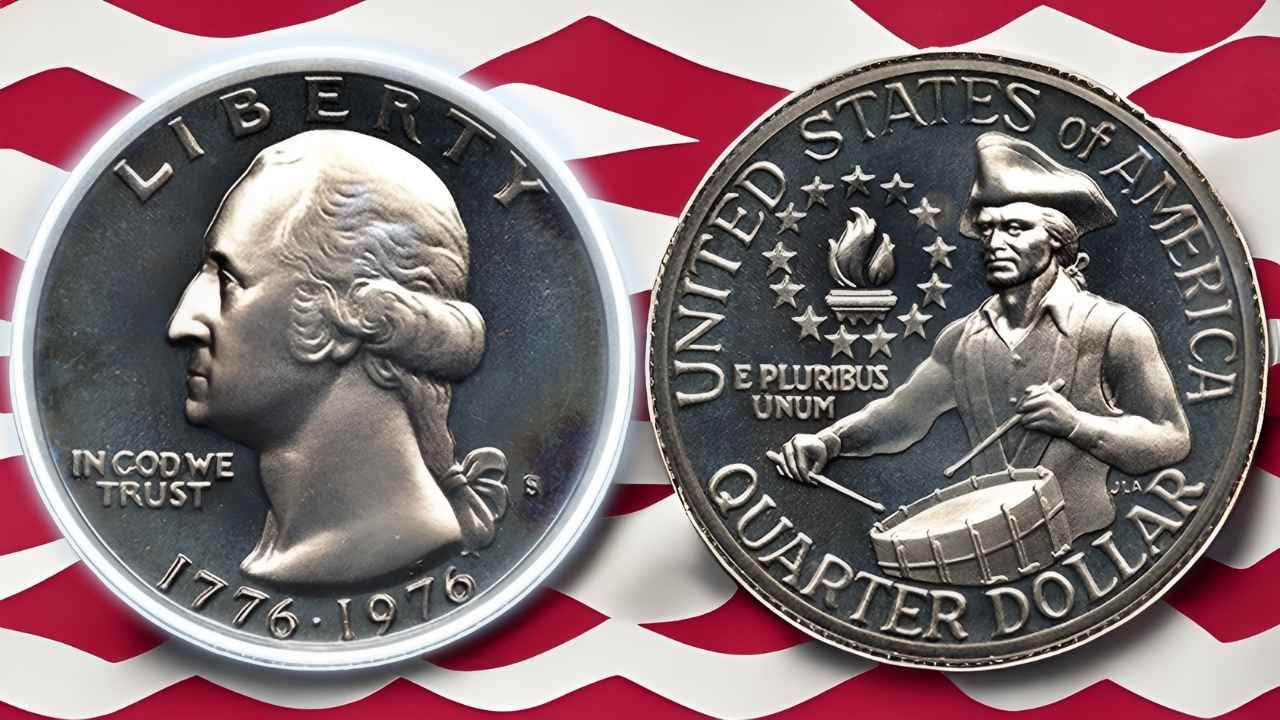
1776–1976 Bicentennial Quarter Value 2026: In the world of coin collecting, some coins gain value quietly while sitting unnoticed in homes for decades. The 1776–1976 Bicentennial Quarter is one such example. Issued to celebrate 200 years of American independence, this coin was produced in massive numbers, yet certain versions are now drawing serious attention from collectors in 2026. What makes this quarter exciting today is not nostalgia alone, but rare errors, special compositions, and collector-grade conditions that can push its value far beyond twenty-five cents.
A Coin With Historic Identity
The Bicentennial Quarter stands out instantly because it broke tradition. Instead of the usual eagle on the reverse, it features a colonial drummer with a torch and stars, symbolizing the spirit of 1776. This design was only used for a limited time, making the coin historically distinct. While millions were circulated, collectors now focus on specific variations that reflect the minting story of that era, turning a common-looking coin into a potential collectible treasure.
Why Collectors Still Care
Collector interest in Bicentennial quarters has grown steadily over the years. In 2026, the demand is driven by a mix of history, rarity, and modern resale platforms. Social media, online auctions, and grading transparency have helped highlight rare examples that once went unnoticed. Many collectors see this coin as an affordable entry point into U.S. numismatics, while seasoned buyers chase high-grade or error versions that are becoming harder to find.
Mint Marks Hold Clues
Mint marks play a crucial role in determining value. Bicentennial quarters were struck at Philadelphia, Denver, and San Francisco. Philadelphia coins have no mint mark and are the most common. Denver coins carry a “D” and are slightly scarcer in top condition. San Francisco coins are especially important because many were produced as proofs or in silver composition. Identifying the mint mark is often the first step toward understanding a coin’s true potential.
Silver Editions Change Value
One of the biggest value boosters is silver content. San Francisco produced special 40 percent silver Bicentennial quarters intended for collectors. These coins weigh more and have a distinct ring when gently tapped. Even without errors, silver versions are worth significantly more than face value due to both metal content and collector demand. In 2026, rising interest in precious metals has added another layer of appeal to these silver quarters.
Errors That Excite Collectors
Mint errors are where values can skyrocket. Some Bicentennial quarters left the mint with mistakes that were never corrected. Double die obverse errors can show visible doubling in the date or lettering. Off-center strikes reveal part of the design missing, while clipped planchets show metal cut away from the edge. These errors are rare and highly collectible, often selling for hundreds or thousands depending on visibility and condition.

Double Die Discoveries Matter
Double die errors deserve special attention because they are among the most desirable. These occur when a die strikes the coin more than once at slightly different angles. On Bicentennial quarters, doubling may appear on “LIBERTY,” “IN GOD WE TRUST,” or the dual date. Clear, dramatic doubling increases value significantly. In 2026, certified double die Bicentennial quarters are seeing strong auction results due to growing awareness.
Off Center Strikes Impress
Off-center strikes create immediate visual impact. These errors happen when the coin blank is not properly aligned during striking. The result is a shifted design with part of the coin blank exposed. Collectors prefer examples where the date and main design remain visible. The more dramatic the shift, the higher the interest. Bicentennial quarters with clean off-center strikes are considered standout pieces in modern error collections.
Proof Coins Add Elegance
Proof Bicentennial quarters were struck with extra care for collectors. These coins feature mirror-like backgrounds and frosted details. While many proof coins are common, some contain unexpected errors such as doubled elements or unusual toning. Proof coins preserved in original condition tend to perform well in the market. Their visual appeal and limited handling make them attractive to both beginner and advanced collectors.
Condition Drives Premium Prices
Condition is one of the most critical factors in coin valuation. Coins graded MS65 or higher are considered gem quality and can command impressive prices. Most Bicentennial quarters were heavily circulated, making high-grade examples increasingly rare. Proof coins with no scratches or haze also carry premiums. In 2026, collectors are paying more than ever for coins that look untouched despite being nearly fifty years old.
Grading Adds Market Trust
Professional grading has become essential for serious collectors. Third-party grading services authenticate the coin, identify errors, and assign a grade that buyers trust. A graded Bicentennial quarter often sells faster and for more money than an ungraded one. In today’s market, certification helps separate genuine rarities from ordinary coins, reducing risk and increasing buyer confidence.
Market Trends In 2026
The Bicentennial Quarter market in 2026 reflects broader collecting trends. Younger collectors are entering the hobby through online platforms, while experienced buyers focus on quality over quantity. Error coins, silver versions, and top-grade examples are leading the market. Auction results show steady price growth for certified pieces, suggesting long-term interest rather than a short-lived spike.

How To Examine Your Quarter
Checking your own Bicentennial quarter starts with careful observation. Use good lighting and a magnifying glass to inspect lettering, edges, and alignment. Look for doubling, missing details, or unusual weight. Compare it with a standard quarter if possible. Small differences can signal something important. Taking time to examine each detail can help identify whether your coin is ordinary or potentially valuable.
Storage Protects Long Term Value
Proper storage matters more than many realize. Coins should be kept away from moisture, heat, and direct handling. Protective holders or capsules help preserve surfaces and prevent scratches. Even a valuable coin can lose appeal if damaged over time. Collectors in 2026 increasingly focus on preservation, knowing that condition stability plays a major role in future resale value.

Final Verdict
The 1776–1976 Bicentennial Quarter remains one of the most fascinating modern U.S. coins. While most examples are still worth face value, rare errors, silver compositions, and high-grade conditions can transform this common quarter into a serious collectible. In 2026, interest continues to rise as more collectors recognize its hidden potential. Before overlooking that old quarter, take a closer look. It might be a small coin with a surprisingly big story.