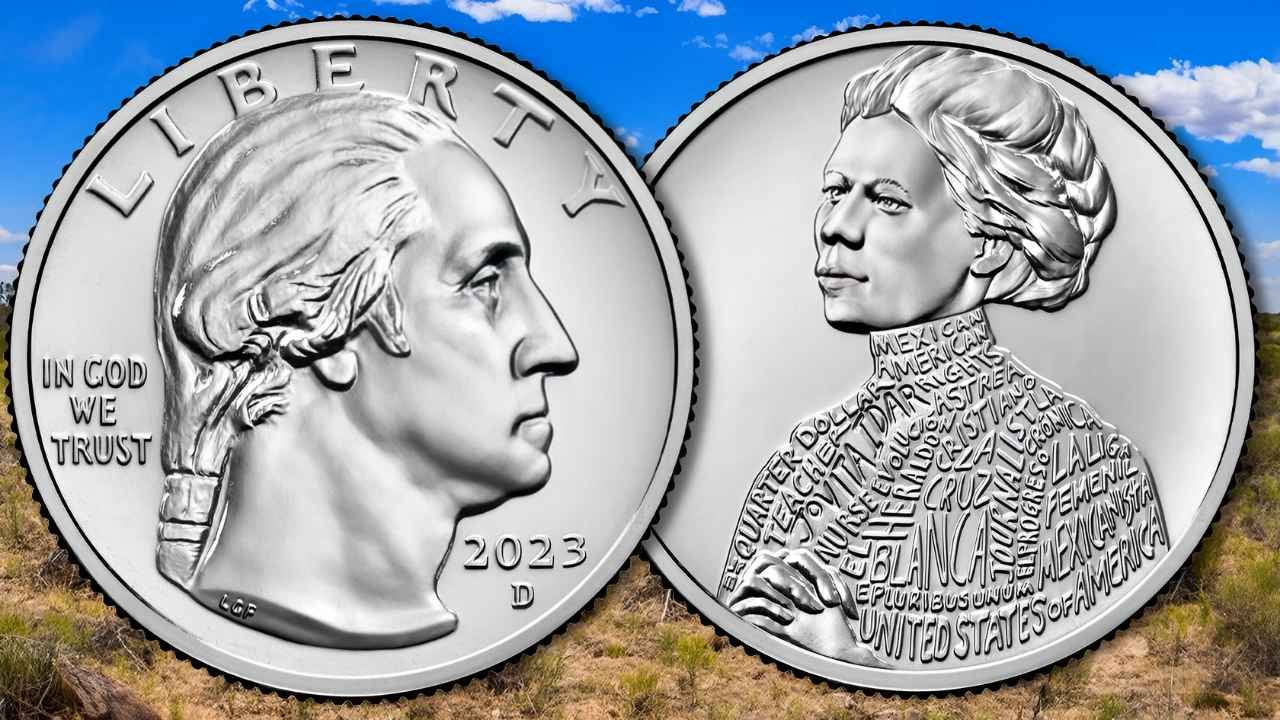
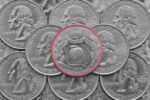
2026 State Quarters Value Boom: Loose change rarely gets attention, but in 2026, State Quarters have rewritten that rule. What once felt like pocket clutter is now sparking serious interest from collectors, dealers, and investors. A new wave of verified mint errors has pushed certain quarters into unexpected price territory. Among them, one unusual 5.7-gram mistake has emerged as the most talked-about coin of the year, quietly reshaping how modern U.S. coins are valued.
Modern quarters finally get respect
For years, State Quarters were dismissed as too common to matter. That perception is changing fast. Collectors are now realizing that age is not the only factor that creates value. Scarcity, production mistakes, and documented anomalies can turn modern coins into serious assets. In 2026, demand for State Quarter errors has reached a level once reserved for older silver coins, proving modern minting history can be just as valuable.
The 5.7 gram mystery explained
The standard State Quarter weighs 5.67 grams, so a 5.7-gram reading may look harmless at first glance. For experts, however, that tiny difference raises immediate red flags. Weight deviations point to problems during the planchet preparation or striking phase. In this case, specialists believe the coin was produced using a miscalibrated blank or a transitional metal mix, making it both rare and extremely difficult to duplicate.
Why weight errors matter most
Weight errors carry more credibility than many visual flaws. Scratches, discoloration, and wear can happen after circulation, but weight cannot be altered without obvious tampering. That’s why collectors trust scale-verified anomalies. A certified overweight or underweight quarter provides measurable proof of a mint error. In today’s market, weight-based mistakes are considered premium errors, especially when they involve popular series like State Quarters.
How mint mistakes escape unnoticed
The U.S. Mint produces coins at extraordinary speed, striking thousands per minute. Even with strict quality control, perfection is impossible. Machines drift out of calibration, metal blanks vary slightly, and adjustments take time. During those moments, flawed coins can pass inspection. Once normal settings resume, only a tiny number of error coins remain in circulation, creating instant scarcity when discovered years later.
Why this error feels different
Not all mint errors create excitement, but this one stands out. The 5.7-gram quarter combines three things collectors love: verifiable data, modern relevance, and extreme scarcity. Reports suggest only a very limited number surfaced before detection. Unlike mass error varieties, this mistake appears isolated, increasing its appeal. Collectors view it less as a curiosity and more as a defining modern numismatic moment.

Market prices shocking veterans
Seasoned collectors rarely react emotionally to price swings, but recent sales changed that. Verified examples of weight-error State Quarters have crossed into four-figure territory. High-grade specimens with professional certification are commanding aggressive bids. Even circulated examples are selling far above expectations. The speed of appreciation suggests demand is still catching up to supply, a classic sign of a growing collector market.
Social media fueling collector frenzy
Platforms like YouTube, Reddit, and collector forums have amplified awareness. Once a single discovery goes public, thousands of people start checking their change. This viral attention accelerates demand and shortens the learning curve for new collectors. In 2026, information spreads instantly, meaning rare coins no longer stay hidden for decades. That visibility is pushing prices higher faster than traditional numismatic cycles.
Tools every hunter now needs
Serious coin hunters are upgrading their basics. A precision digital scale is now considered essential. Magnification tools help identify strike inconsistencies and edge anomalies. Some collectors also use calipers to measure thickness variations. These simple tools allow everyday people to detect valuable errors at home. The barrier to entry is low, which explains why discoveries are happening more frequently than ever.
Certification becoming non-negotiable
In today’s market, certification is no longer optional for high-value error coins. Professional grading services authenticate weight, metal composition, and minting anomalies. Certified coins sell faster, attract stronger bids, and protect sellers from disputes. Buyers trust third-party verification, especially when prices climb into thousands. For the 5.7-gram quarter, certification has become the defining factor between curiosity and investment.
Why supply will stay limited
Unlike commemorative coins, mint errors cannot be reproduced. Once discovered, the supply is fixed forever. Many error quarters remain lost in circulation or damaged beyond collectible condition. That natural attrition reduces available inventory over time. As collectors lock coins into long-term holdings, fewer pieces reach the open market, tightening supply and reinforcing upward price pressure.
Comparing past modern coin booms
Previous modern coin surges offer useful context. The 1999 wide AM penny and 2004 Wisconsin extra leaf quarter followed similar paths. Early discoveries sold cheaply, then prices multiplied as awareness grew. The 5.7-gram State Quarter appears to be following the same curve, but faster. Increased digital visibility and global buyers are compressing what once took decades into just a few years.

Risks collectors must understand
Hype can attract misinformation. Damaged coins, altered weights, and misread scales can fool beginners. Some sellers exaggerate minor deviations as rare errors. That’s why education matters. Understanding tolerances, mint standards, and certification criteria protects buyers. Smart collectors separate genuine anomalies from wishful thinking. The real value lies in verified errors, not internet rumors.
Why everyday change matters now
The idea that valuable coins only come from old collections is fading. Modern circulation still holds surprises. Cash transactions, vending machines, and old jars remain potential discovery zones. Many valuable State Quarters were found by people with no numismatic background. That accessibility adds excitement and keeps interest growing. In 2026, curiosity alone can turn into opportunity.

Final verdict on this boom
The 2026 State Quarters value surge is more than temporary excitement. It reflects a shift in how collectors view modern coins, rarity, and measurable errors. The legendary 5.7-gram mistake symbolizes that change, proving small details can create massive value. While not every quarter will change lives, awareness has never been more rewarding. In today’s market, attention truly pays.