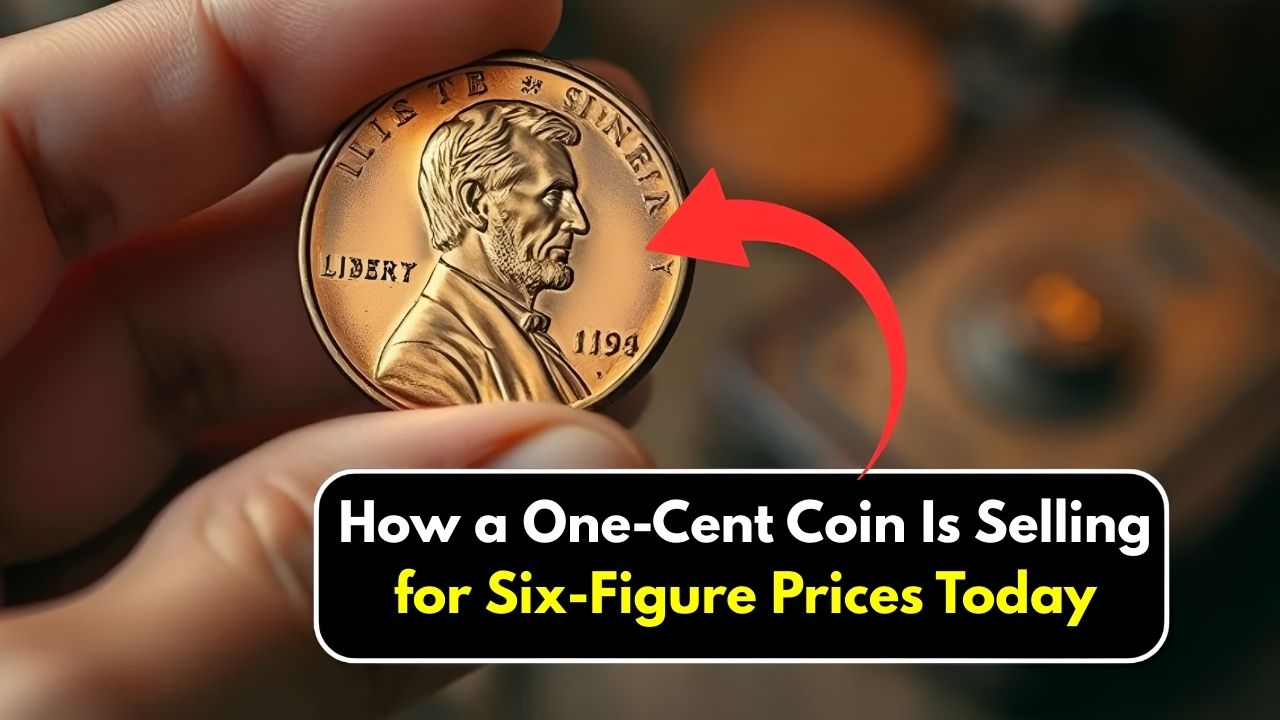
Rare Lincoln Wheat Penny Value 2026: Old coins are no longer just forgotten leftovers in drawers or piggy banks. In 2026, Lincoln Wheat Pennies have become one of the most talked-about collectibles in the United States. What was once spare change is now being treated like a serious asset. Auction houses, collectors, and investors are chasing specific Wheat Pennies with shocking intensity. Some single coins have crossed six-figure price tags, proving that rarity, history, and condition can turn a one-cent coin into a financial jackpot.
The penny that changed history
The Lincoln Wheat Penny holds a special place in American coinage. Introduced in 1909, it marked the first time a real historical figure appeared on a U.S. circulating coin. The wheat stalks on the reverse symbolized national growth and strength. Over decades of circulation, most of these pennies were worn down, lost, or destroyed. That natural disappearance is exactly why surviving examples have become incredibly valuable today.
Scarcity drives explosive demand
Value in the coin world always starts with scarcity. Certain Wheat Pennies were minted in extremely low numbers, while others survived in very limited condition. Wars, metal shortages, and mint changes reduced production for specific years. In 2026, collectors aren’t just buying old coins, they are competing for coins that may never appear on the market again. That intense competition continues pushing prices higher each year.
Errors collectors fight over
Minting errors are where Wheat Pennies truly explode in value. These errors happened accidentally and were never meant to exist. Famous examples include doubled lettering, wrong metal compositions, and misaligned strikes. Because modern mints have tighter controls, such mistakes are nearly impossible today. That makes early 20th-century error pennies irreplaceable. Even small errors can turn a regular penny into a five- or six-figure collectible.
The legendary 1943 surprise
The 1943 Wheat Penny remains one of the most shocking coin stories ever. During World War II, pennies were supposed to be made from steel to conserve copper. A few copper blanks slipped through by accident, creating bronze 1943 pennies. In 2026, verified examples continue selling for massive prices. These coins represent a perfect storm of history, error, and rarity that collectors are willing to pay almost anything to own.
Condition separates rich from regret
Condition is often more important than age. A scratched, heavily worn Wheat Penny may be worth very little, while the same coin in pristine shape could fund a home purchase. Collectors examine sharp details, original surfaces, and natural color. Professional grading services seal coins in protective cases and assign numerical grades. In today’s market, a single grade difference can mean tens of thousands of dollars in value.

Cleaning kills coin value
One mistake ruins more Wheat Pennies than anything else: cleaning. Scrubbing with cloth, brushing with toothpaste, or using chemicals removes original surfaces collectors demand. Even gentle polishing leaves permanent damage visible under magnification. In 2026, cleaned coins are often rejected or heavily discounted. A dark, untouched penny is always worth more than a shiny one. This rule alone has saved serious collectors from huge financial losses.
Why six figures feel normal
Six-figure coin sales may sound insane, but they follow basic economics. The supply of rare Wheat Pennies will never increase, while demand keeps growing. Younger collectors, online platforms, and investment interest have changed the market. Coins once traded quietly now sell globally within minutes. When two determined buyers want the same penny, prices can climb rapidly, making $100,000 sales feel almost routine.
Online auctions changed everything
The internet transformed coin collecting forever. In the past, rare pennies changed hands privately or at local shows. Today, online auctions expose coins to worldwide buyers instantly. This global reach has driven prices higher and faster. In 2026, a rare Wheat Penny can attract bidders from multiple countries, all competing in real time. That exposure ensures top coins reach their true market value.
Fake coins flooding markets
High prices attract counterfeiters. Fake Wheat Pennies have become more sophisticated, targeting beginners and casual buyers. Some are altered dates, others are fake metals designed to mimic rare versions. Serious collectors rely on certified grading services for authentication. In the modern market, buying uncertified high-value coins is extremely risky. Authentication is no longer optional when serious money is involved.
Hidden treasures still exist
Despite years of collecting, valuable Wheat Pennies still surface unexpectedly. Estate cleanouts, inherited jars, and old collections continue to produce rare finds. Many people don’t realize what they own and sell coins cheaply. In 2026, experts confirm that undiscovered treasures still exist. That possibility keeps everyday people checking drawers and jars, hoping to uncover something extraordinary.
Investing versus collecting debate
Some buyers see Wheat Pennies as investments, others as historical keepsakes. Both approaches influence prices. Investors focus on top-graded coins with strong resale demand. Collectors chase emotional connections, rare errors, and personal favorites. This mix keeps the market healthy. Unlike trends that fade, historical coins carry lasting value because they cannot be recreated or replaced.

How beginners should start
For newcomers, education matters more than money. Learning dates, mint marks, and error signs builds confidence. Beginners are advised to handle coins carefully, avoid cleaning, and consult experts before selling. Even common Wheat Pennies help train the eye. In 2026, free online tools, coin forums, and grading guides make learning easier than ever.
Long term outlook stays strong
Experts remain optimistic about Wheat Penny values. The combination of history, shrinking supply, and rising collector interest suggests long-term strength. Economic uncertainty has also pushed people toward tangible assets like coins. While not every penny is valuable, truly rare examples are expected to remain in demand for decades. This stability keeps collectors confident in the market.
Final conclusion
The Lincoln Wheat Penny has evolved far beyond loose change. In 2026, it represents history, scarcity, and serious money. Six-figure prices are no longer shocking when the right coin appears. The biggest lesson is simple: never clean old coins, never rush to sell, and always verify authenticity. Sometimes, the smallest coin can carry the biggest surprise, quietly waiting to be discovered.