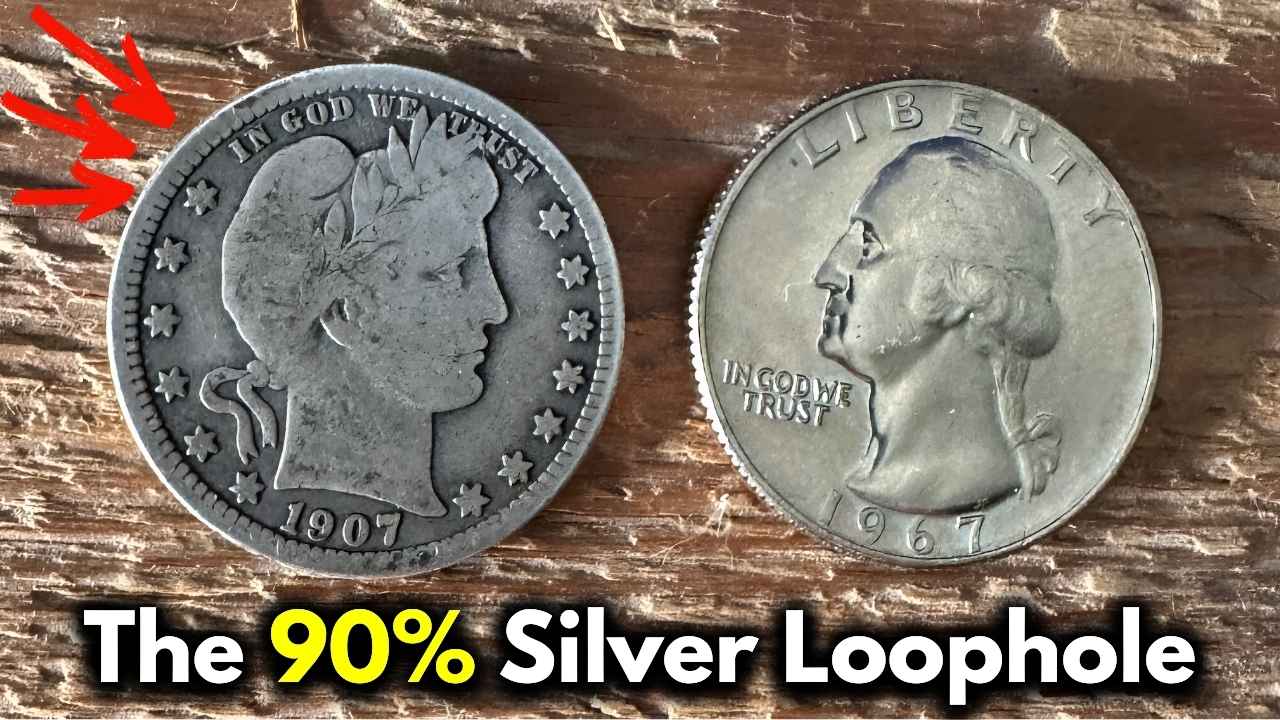
Rare Washington Quarter Value 2026: A small, silver-toned quarter doesn’t look like a financial opportunity, yet in 2026 it has become one of the most underestimated assets hiding in American homes. Washington quarters, especially older ones, are gaining serious attention from collectors, silver investors, and everyday people who suddenly realize their spare change is not so spare anymore. While banks continue to treat these coins as ordinary currency, the collector market is telling a very different story, driven by metal value, scarcity, and overlooked history.
Why This Coin Still Matters
The Washington quarter has been part of daily American life for generations. First issued in 1932, it was meant to honor George Washington’s legacy, but it unintentionally became a long-term store of value. Unlike modern coins, early Washington quarters were struck during a time when precious metal still backed U.S. currency. That detail alone keeps these coins relevant today, especially in a world where inflation constantly eats into purchasing power.
The Silver Advantage Nobody Notices
Before 1965, Washington quarters were made with 90 percent silver. That single fact completely changes their value profile. In 2026, silver prices remain strong, meaning even the most worn pre-1965 quarter is worth far more than face value. Banks rarely separate these coins because they focus on circulation efficiency, not metal composition. Collectors, on the other hand, actively hunt for them because each coin represents tangible silver weight with historical character.
Dates That Quietly Multiply Value
Not every Washington quarter is rare, but certain dates dramatically change the equation. The 1932 issues, especially those minted in Denver and San Francisco, are considered crown jewels of the series. Low production numbers mean fewer coins survived decades of circulation. Other dates from the 1930s and early 1940s also carry premiums when demand outpaces supply. Knowing which years matter can turn casual curiosity into real financial discovery.
Mint Marks That Change Everything
That tiny letter beneath the eagle on the reverse side is easy to miss, yet it can decide whether a quarter is ordinary or extraordinary. Philadelphia coins often had higher mintages, while Denver and San Francisco versions were produced in smaller quantities. Collectors place strong emphasis on mint marks because they reflect regional scarcity. In some cases, the same year with a different mint mark can be worth many times more.
Condition Creates Price Gaps
Two Washington quarters from the same year can have wildly different values depending on condition. Coins with sharp details, clean surfaces, and minimal wear command premium prices in 2026. Collectors examine Washington’s hair strands, facial features, and the eagle’s feathers closely. Even small scratches or dull surfaces can lower value significantly. This focus on condition explains why some quarters sell for a few dollars while others reach four figures.

Proof Coins Add Extra Appeal
Proof Washington quarters were never meant for everyday spending. They were struck with special dies and polished blanks, resulting in mirror-like finishes and crisp details. Many proof coins survived in excellent condition, making them highly collectible today. Proof silver quarters from the 1950s and early 1960s are especially popular in 2026, as they combine silver content with limited production and visual appeal that stands out instantly.
Errors That Collectors Chase
Mint errors add a whole new layer of value. Off-center strikes, doubled dies, clipped planchets, and wrong metal errors can transform an otherwise common quarter into a rare collectible. These mistakes happened during high-speed production and were never corrected. In today’s market, verified error coins often sell quickly because each one is unique. Even modern Washington quarters can gain value if an authentic error is present.
Why Banks Keep Missing Them
Banks are designed to process money efficiently, not evaluate collectible potential. Old quarters deposited into accounts are counted, rolled, and redistributed without inspection. Employees are not trained to identify silver edges, rare dates, or error strikes. This system unintentionally benefits informed individuals who know what to look for. The result is a steady trickle of valuable coins slipping through a system built for speed, not scrutiny.
The Edge Test That Saves Money
One of the fastest ways to spot a silver Washington quarter is by checking the edge. Pre-1965 silver quarters show a solid gray or white edge, while modern coins reveal a copper stripe. This simple visual test takes seconds and requires no tools. In 2026, this trick remains one of the easiest ways for beginners to avoid accidentally spending a coin worth many times its face value.
Silver Value Versus Collector Value
Some Washington quarters are valuable for silver alone, while others exceed melt value by a wide margin due to rarity or demand. Melt value fluctuates with silver prices, but collector value depends on condition, scarcity, and historical significance. Coins that combine both factors are especially desirable. Understanding this difference helps sellers avoid underpricing coins that deserve collector attention rather than scrap valuation.
Market Trends Shaping 2026 Prices
The 2026 coin market reflects broader economic trends. Rising interest in tangible assets, ongoing inflation concerns, and renewed fascination with historical currency all support higher prices. Younger collectors are entering the market, driven by online platforms and social media discoveries. This fresh demand keeps Washington quarter values stable and often rising, especially for well-preserved silver examples with clear provenance.

Safe Ways To Sell Or Hold
Not every valuable quarter should be sold immediately. Some collectors prefer holding silver quarters as long-term assets, while others sell during price spikes. Trusted coin dealers, auction platforms, and certified grading services offer safer selling options than random buyers. Authentication and grading often increase buyer confidence, resulting in better offers. Informed decisions matter more than quick cash when dealing with collectible coins.
How Ordinary People Find Them
Washington quarters continue to surface in unexpected places. Old piggy banks, inherited collections, estate sales, and even bank rolls still produce surprises. Many people overlook these coins because they look familiar. The key difference is knowledge. Once you understand what separates a common quarter from a valuable one, everyday places suddenly feel like treasure zones instead of forgotten storage.

Why This Coin Keeps Surprising
The Washington quarter stands out because it bridges everyday life and long-term value. It circulated widely, survived economic shifts, and quietly retained precious metal content. In a digital economy dominated by invisible transactions, these physical coins feel tangible and reassuring. That emotional connection adds to their appeal, ensuring continued interest well beyond pure silver calculations.
Conclusion
Rare Washington quarters in 2026 prove that value doesn’t always announce itself loudly. A coin once used for parking meters and vending machines now represents silver wealth, historical significance, and collector demand. While banks overlook them and many people spend them unknowingly, informed collectors continue to benefit from this quiet opportunity. The final takeaway is simple but powerful: the next time a quarter crosses your path, it deserves more than a glance.