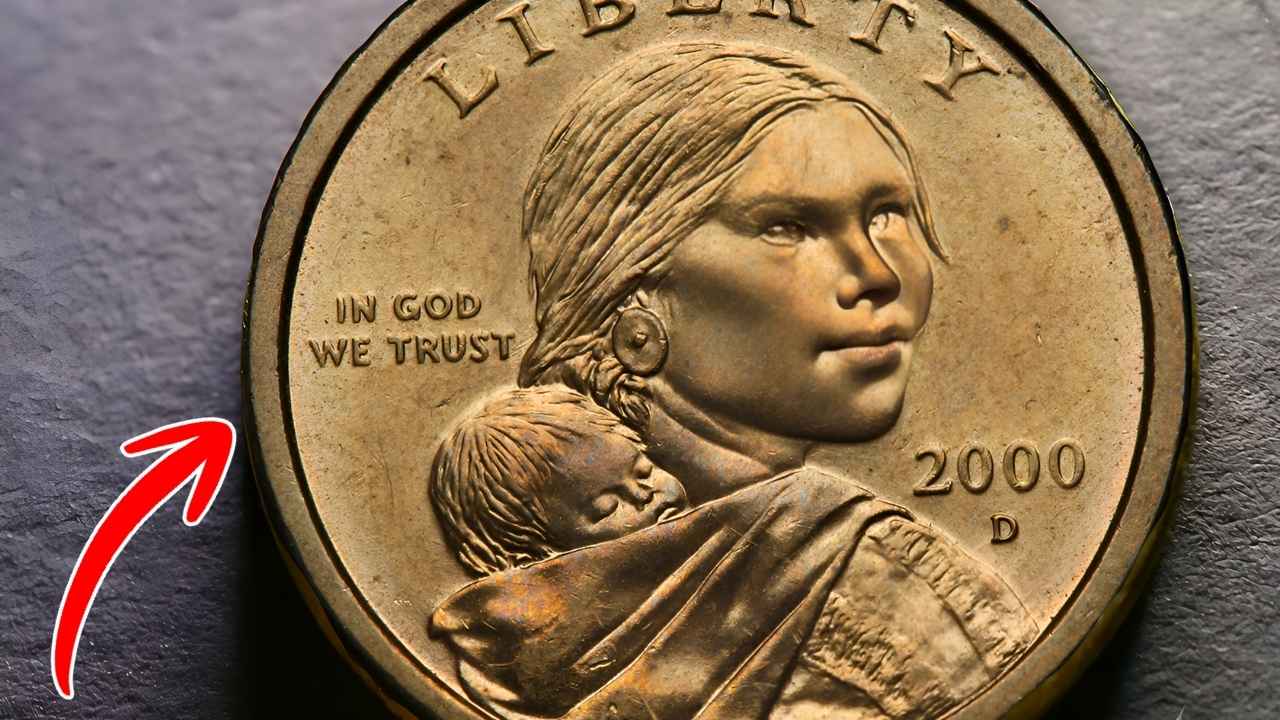
No-Date Sacagawea Dollar Value 2026: Loose change rarely gets attention anymore. Digital payments have turned coins into background noise, something people ignore until a drawer gets too heavy. Yet in 2026, one unassuming dollar coin is rewriting that story. The no-date Sacagawea dollar has become one of the most talked-about modern U.S. coins, not because of age or silver content, but because of a rare production mistake that most people would never notice. Some examples have triggered four-figure price tags, and one unusual test has become the ultimate clue.
The coin everyone overlooked
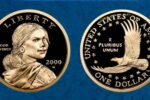
The Sacagawea dollar entered circulation in 2000 with high expectations and low public adoption. While millions were minted, few were actually used in daily transactions. Many ended up sitting untouched in rolls, vaults, or personal collections. That lack of circulation created the perfect environment for unnoticed mint errors to survive. The no-date variety stayed hidden for years, quietly passing from hand to hand without anyone realizing its significance.
Where the date really belongs
Unlike most U.S. coins, the Sacagawea dollar doesn’t display its date on the face or back. Instead, the year and mint mark are located on the coin’s edge. This unusual design choice is the root of the mystery. During certain production runs, the edge lettering process failed entirely. When that happened, coins left the mint without any date at all. To the untrained eye, nothing seemed wrong, but collectors knew this was a major deviation.
Missing details spark demand
Coins are meant to follow strict specifications. When a detail as essential as a date disappears, it immediately attracts attention from error collectors. Missing-edge lettering Sacagawea dollars are not damaged coins; they are factory mistakes. That distinction matters. Damage lowers value, but genuine mint errors often multiply it. As more collectors learned how these errors occurred, demand grew steadily, especially for clean examples without wear.
The magnet test revelation
One unexpected detail pushed excitement to another level. A small number of no-date Sacagawea dollars reacted to magnets. This should never happen under normal circumstances. The standard alloy used for these coins is non-magnetic. When attraction occurs, it strongly suggests the coin was struck on the wrong type of metal blank. That single reaction instantly separates common errors from extraordinary ones and has become the most talked-about test among collectors.
Wrong metal means rare money
Coins struck on incorrect planchets are among the rarest mint errors in U.S. history. These mistakes happen when blanks intended for other coins accidentally enter the wrong production line. For Sacagawea dollars, this often points to steel-based blanks. The odds of this error combining with missing edge lettering are extremely low. That rarity is exactly why collectors are willing to pay thousands instead of hundreds.

How values climbed in 2026
The coin market in 2026 is driven by visibility and trust. As more verified examples surfaced, auction prices began to climb. Collectors who once ignored modern coins started competing for authenticated no-date Sacagawea dollars. Prices for certified magnetic examples jumped sharply, with high-grade pieces reaching the $7,000 to $8,000 range. These aren’t speculative guesses; they reflect real buyer behavior in a growing niche market.
Condition still controls pricing
Even rare errors follow one rule: condition matters. A no-date Sacagawea dollar with scratches, heavy wear, or environmental damage will always sell for less. Coins preserved in near-mint condition attract serious buyers and grading services. Clean edges, strong details, and original surfaces make a massive difference. Two identical errors can vary in value by thousands simply because of preservation.
Why authentication is essential
Stories of valuable coins always attract imitation. Some people attempt to grind edges or alter metals to fake errors. That’s why professional authentication is non-negotiable. Reputable grading services analyze metal composition, strike characteristics, and minting patterns. A certified coin doesn’t just confirm authenticity; it also opens access to premium buyers who refuse to purchase raw, unverified pieces.
Circulation finds still happen
Despite low circulation, some of these coins are still being discovered in unexpected places. Old bank rolls, forgotten collections, inherited change jars, and casino payouts have all produced surprising finds. The fact that new examples continue to surface keeps excitement alive. It also reinforces the idea that valuable coins don’t always come from auctions. Sometimes they come from ordinary places no one thinks to check.
Collector psychology drives hype
Modern coin collecting is no longer quiet or slow. Online communities, social platforms, and video content have reshaped the hobby. When a dramatic story spreads, interest spikes instantly. The no-date Sacagawea dollar fits perfectly into this new environment. It’s modern, accessible, and visually subtle. The idea that a $1 coin could transform into a five-figure asset taps directly into collector curiosity and excitement.
How to examine your own coins
Checking a Sacagawea dollar doesn’t require special tools. Start with the edge. Rotate the coin slowly and look for any lettering at all. A completely blank edge is the first signal. Next, gently test with a small magnet. Do not force or scrape the coin. A clear magnetic response is unusual and significant. Any coin showing both traits deserves professional evaluation.

Mistakes people often make
One common error is assuming every blank edge coin is valuable. Some edge wear can remove lettering over time. Another mistake is cleaning the coin. Cleaning destroys original surfaces and drastically reduces value. Even well-intentioned polishing can turn a potential jackpot into a disappointment. Patience and restraint are critical when dealing with possible error coins.
Why this error stands apart
Many mint errors exist, but few combine mystery, rarity, and accessibility like this one. The no-date Sacagawea dollar doesn’t require deep historical knowledge or specialized equipment to identify. It invites everyday people into the hunt. That combination is rare in numismatics and explains why collectors continue to chase this coin aggressively in 2026.

Long-term outlook for value
Experts believe demand for verified examples will remain strong. As more coins are certified and absorbed into private collections, availability shrinks. Modern error coins are also gaining respect among traditional collectors who once focused only on gold and silver. This shift suggests that top-tier examples could hold or even increase value over the next decade.
Final Verdict
The no-date Sacagawea dollar is no longer just an oddity. In 2026, it stands as proof that modern coins can still deliver astonishing surprises. A missing edge date, combined with a magnetic reaction, transforms an ordinary dollar into a highly desirable collector piece. For anyone with Sacagawea dollars tucked away, careful inspection could reveal far more than spare change. Sometimes, history hides in the smallest details.