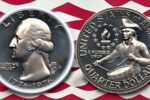
U.S. Coin Value Explosion 2026: Across the United States, a quiet financial shift is taking place that most people never saw coming. In 2026, rare U.S. coins are no longer just collectibles for hobbyists; they are becoming powerful investment assets. Stories of ordinary people discovering extraordinary coins are reshaping how Americans look at spare change. One misplaced quarter from Ohio, once ignored, is now valued at $145,000, proving that wealth can sometimes sit unnoticed in plain sight.
A Quarter That Changed Everything
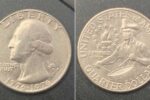
The Ohio quarter story stunned both collectors and financial analysts. Found during a routine coin roll check, the coin looked ordinary until closer inspection revealed a rare minting anomaly. Experts later confirmed it as a transitional error struck on the wrong metal planchet. That single mistake turned a 25-cent coin into a six-figure asset. Its sale ignited renewed interest in everyday U.S. coins and triggered a nationwide treasure hunt.
Why Coin Values Are Exploding
Several forces are driving the rare coin boom in 2026. Limited supply is the biggest factor. Unlike paper money, coins are not endlessly reproduced, and errors are never intentionally repeated. At the same time, demand is rising from collectors, investors, and even hedge funds diversifying into tangible assets. This imbalance between supply and demand has pushed prices sharply upward, creating record-breaking auction results across the country.
Mint Errors Create Massive Upside
Mint errors are the backbone of high-value coin discoveries. These include double dies, off-center strikes, missing mint marks, clipped edges, and incorrect metal compositions. The Ohio quarter gained its value because it escaped detection during a year when the U.S. Mint changed production materials. Such errors are incredibly rare, and collectors aggressively compete for verified examples, often pushing prices far beyond initial estimates.
Pennies Outperforming Gold Bars
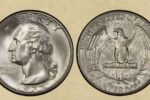
It may sound unbelievable, but certain U.S. pennies are now outperforming gold investments. Early copper pennies, steel cents with defects, and limited-run Lincoln errors have sold for prices exceeding the value of gold bullion of equal weight. Unlike gold, which tracks market trends, rare pennies benefit from historical importance and collector scarcity. In 2026, this has turned low-denomination coins into elite investment assets.
Digital Auctions Fuel Record Sales
Online auction platforms have transformed the rare coin market. Collectors from Asia, Europe, and the Middle East now compete directly with American buyers. Real-time bidding, social media exposure, and viral coin discovery stories have dramatically increased visibility. The Ohio quarter’s value surged after high-resolution images circulated online, drawing international attention. Digital access has made rare coins one of the fastest-growing collectible markets worldwide.

Grading Decides Real Worth
Professional grading is no longer optional in today’s coin market. Certified grading services evaluate a coin’s condition, authenticity, and rarity, assigning a numerical grade that directly impacts value. In many cases, grading can increase a coin’s worth by tens of thousands of dollars. The Ohio quarter saw its price jump dramatically after receiving a top-tier grade, proving how crucial expert verification has become.
Old Collections Hide New Wealth
Many valuable coins are discovered not in circulation but in forgotten collections. Old jars, inherited boxes, and unused safety deposit contents are being reexamined nationwide. Coins saved decades ago without much thought are now revealing surprising value. In 2026, families are discovering that what was once sentimental clutter can now represent serious financial opportunity if evaluated properly.

Inflation Pushes Investors Toward Coins
As inflation continues to challenge traditional savings, investors are turning toward physical assets with historical value. Rare coins offer protection against currency depreciation while also providing growth potential. Unlike real estate or gold, coins require minimal storage and maintenance. This unique combination of portability, scarcity, and appreciation has positioned rare U.S. coins as a preferred hedge in uncertain economic times.
State Quarters Gain Unexpected Fame
State quarters, once dismissed as common collectibles, are now under serious scrutiny. Certain state issues contain rare errors, low mintage runs, or experimental materials. The Ohio quarter discovery has pushed collectors to recheck state quarters from the early 2000s. As a result, previously overlooked coins are now commanding premium prices, rewriting assumptions about modern U.S. coinage.

How Beginners Can Start Smart
Entering the rare coin space does not require expert knowledge upfront. Beginners are advised to start by checking dates, mint marks, and visible irregularities. Learning basic error types can dramatically improve discovery chances. Many high-value finds come from curiosity rather than professional expertise. The key is patience, research, and verification before selling or discarding any unusual coin.
Authentication Protects Buyers And Sellers
With rising prices, counterfeit risks have increased. Authentication protects both sides of the transaction by ensuring legitimacy. Certified coins attract serious buyers and higher bids, while uncertified pieces often struggle to gain trust. In 2026, reputable authentication has become the foundation of the rare coin economy, separating genuine treasures from costly mistakes.

Social Media Drives Coin Frenzy
Platforms like YouTube, Reddit, and collector forums are playing a major role in shaping coin trends. Viral discovery stories encourage millions to reexamine their change. Educational videos explaining mint errors and rare dates have democratized coin knowledge. The Ohio quarter story spread rapidly online, inspiring countless viewers to start checking coins they previously ignored.
Rare Coins Beat Traditional Returns
Financial analysts are now comparing rare coin returns with stocks and commodities. In many cases, high-grade coins have delivered stronger long-term appreciation than index funds. Unlike stocks, coins are not affected by corporate earnings or geopolitical shocks. Their value is rooted in physical scarcity and historical relevance, making them attractive to investors seeking alternative wealth strategies.

What Makes 2026 Different
The year 2026 stands out because of market maturity. Coin data analytics, digital trading platforms, and global participation have aligned at once. Transparency has improved, fraud detection is stronger, and pricing is more consistent. These factors have made rare coins more accessible and reliable than ever before, encouraging both seasoned collectors and first-time investors to participate confidently.
Final Verdict
The $145,000 Ohio quarter is not just a headline; it’s a symbol of a broader shift in how value is discovered. In 2026, rare U.S. coins have proven they can outperform traditional investments, protect against inflation, and reward curiosity. As collectors and investors continue searching through forgotten change, one thing is clear. The next life-changing coin may already be sitting in someone’s pocket, waiting to be noticed.